
Wound care is one of the most documentation-dependent fields in medicine. A single visit may involve serial wound measurements, photo documentation, selective or sharp debridement across multiple tissue depths, a graft or skin-substitute application, a dressing change, and a reassessment of plan-of-care compliance against comorbidities like diabetes, peripheral arterial disease, and venous insufficiency. Every detail has to land in the note to defend the service billed. LucasAI is an ambient AI clinical platform, built by clinicians, designed to take that burden off wound care so you can stay focused on the patient and finish your day on time.
Unlike a tool that only writes notes, LucasAI pairs a real-time ambient scribe with built-in medical coding, patient outreach, and prior-authorization support, the workflows a wound center and an inpatient consult service actually run on. Here is how it fits the realities of wound care.
Why wound care needs more than a scribe
Wound care clinicians carry an unusually heavy documentation load relative to visit length. The note is only part of the work: every encounter has to record measurements and photos, justify the depth and method of any debridement, capture graft and skin-substitute details, document comorbidities that drive medical necessity, and then be coded correctly. Much of this exacting detail is easy to lose at the pace of a busy wound center or a hospital consult round, and incomplete documentation is precisely where this specialty bleeds revenue and invites denials.
Wound care coding is also some of the most scrutinized in medicine. Debridement codes vary by tissue depth and surface area (for example, CPT 11042–11047), selective and sharp debridement are distinguished by technique, and graft, skin-substitute, and hyperbaric oxygen services each carry their own documentation requirements. When the note does not match the work, payers push back.
- Documentation that has to defend the code. Debridement depth and area, the method used, wound measurements, and a serial photo record all have to be captured accurately to support what was billed, and to hold up under the heavy payer scrutiny wound services attract.
- Revenue and medical necessity left undocumented. Comorbidities like diabetes, peripheral arterial disease, and venous insufficiency, plus pressure injuries and diabetic foot ulcers (ICD-10 L97/L89), establish medical necessity and complexity. When they are under-documented, legitimate reimbursement is lost and denials follow.
LucasAI is built to address the whole loop: documentation, coding, outreach, and authorization, rather than just the note.
How LucasAI helps wound care
Ambient scribe that drafts the note in real time
LucasAI listens to the encounter and builds a structured clinical note as you work, so the draft is largely ready for your review by the time you leave the room rather than after a separate processing step. You review and finalize instead of writing from scratch: capturing the wound description, measurements, debridement details, and plan while they are fresh. Because it is built for the way clinics actually sound, it also handles multilingual and blended, code-switched speech, useful in the many wound centers that serve diverse communities.
Real-time E&M leveling and CPT/ICD-10 coding
As the visit is documented, LucasAI's coding suggests CPT, CPT II, and ICD-10 codes along with E&M service levels, and flags where documentation does not yet support the service. For wound care that includes debridement by depth and area (for example, CPT 11042–11047), graft and skin-substitute applications, and ulcer diagnoses such as ICD-10 L97 and L89, the places where mismatched documentation most often drives denials. Surfacing the right codes and the gaps in real time helps you bill the work you actually did. All suggestions are reviewed by you or your billing team before submission.
Wound measurements, photos, and plan-of-care detail
Wound care depends on a defensible record over time. LucasAI is designed to organize the encounter into a structured note that captures wound measurements, the method and depth of debridement, dressing changes, and how the wound is tracking against its plan of care, while prompting for the comorbidity detail: diabetes, peripheral arterial disease, venous insufficiency, that establishes medical necessity. That keeps the chart usable at the next visit and keeps the coding defensible.
EmilyAI patient outreach for follow-ups and recalls
EmilyAI is LucasAI's automated patient outreach. It can reach patients before and after visits to confirm dressing-change and debridement follow-ups, reinforce plan-of-care adherence, and coordinate the recalls that wound healing depends on, then update the chart. For a specialty where missed follow-ups directly delay healing, that offloads work that normally falls on already-stretched front-desk and clinical staff.
DME ordering for collagen dressings
When a wound qualifies for collagen dressings, LucasAI DME ordering turns the facesheet and wound documentation into a complete, signed order. It sizes the dressing and assigns the HCPCS code from the wound measurements, checks the order against Medicare's Surgical Dressings LCD (L33831) before you sign, and tracks it through shipping to patient-signed proof of delivery.
Outpatient wound centers, inpatient consults, and EMR integration
LucasAI supports the outpatient workflows of a wound center and also offers inpatient tooling for clinicians who carry a hospital consult service or work across settings, including hyperbaric oxygen documentation where relevant. It connects to web-based EMRs through a proprietary Chrome extension with structured data mapping, designed to deploy in days, with no months-long API or IT project. Prior-authorization support compiles the documentation payers ask for, from billing codes to the supporting clinical detail wound and graft services require.
What you get
- Real-time ambient scribe, a structured wound-care note drafted as you work, ready for review when you finish the visit.
- Built-in medical coding: CPT, CPT II, ICD-10, and E&M leveling suggested in real time, with documentation-gap flags.
- Debridement and graft documentation: measurements, depth, method, and skin-substitute detail captured to support the service billed.
- EmilyAI patient outreach: automated pre/post-visit contact for dressing-change follow-ups, plan-of-care adherence, and recalls.
- Prior-authorization support: supporting documentation for grafts, skin substitutes, and hyperbaric oxygen compiled automatically.
- EMR integration, works with web-based EMRs via a Chrome extension, deployable in days.
- Outpatient and inpatient coverage, for wound centers and clinicians who carry inpatient consults.
Want the full capability list? See all LucasAI features, dig into real-time medical coding, or compare plans on the pricing page. You can also browse the other specialties LucasAI supports.
What clinicians are saying
“Debridement coding used to eat my evenings because I'd have to reconstruct the depth and surface area from memory after clinic. LucasAI captures the measurements and method while I'm at the bedside, so the note actually supports what I billed and my denials have dropped.”
See LucasAI on your own wound care visits
Experience the ambient scribe, real-time coding, and patient outreach built for wound centers and inpatient consults.
Start Free Trial →Frequently asked questions
How does an ambient AI scribe help wound care?
An ambient AI scribe listens to the encounter and drafts a structured note in real time, so it is largely ready for review by the time you leave the room. For wound care that means the wound description, measurements, debridement details, and plan are captured while they are fresh, instead of being reconstructed after clinic. LucasAI builds the note as you work and supports the detailed, serial nature of wound documentation.
Can LucasAI handle debridement and graft documentation and coding?
Yes. LucasAI is designed to capture the depth, method, and surface area of debridement along with graft and skin-substitute details, and its coding can suggest the matching CPT codes, such as the debridement range CPT 11042 to 11047. Because wound services draw heavy payer scrutiny, it also flags where documentation does not yet support the service. All code suggestions should be reviewed by the clinician or billing team before submission.
Can LucasAI suggest CPT, ICD-10, and E&M codes for wound care visits?
Yes. LucasAI's coding suggests CPT, CPT II, and ICD-10 codes along with E&M service levels as the visit is documented. For wound care that includes ulcer diagnoses such as ICD-10 L97 and L89 and the comorbidities that establish medical necessity, and it surfaces documentation gaps so the note supports the level billed. All code suggestions should be reviewed by the clinician or billing team before submission.
How can AI coding help reduce denials in wound care?
Many wound care denials stem from documentation that does not support the debridement depth, graft, or service submitted, or from missing detail on measurements and medical necessity. By suggesting codes in real time and flagging incomplete documentation, LucasAI helps clinicians align the note with the work performed before the claim goes out, which can reduce avoidable denials and rework. Coding accuracy still depends on clinician review and your practice's billing processes.
What is EmilyAI and how does it help with wound follow-ups and recalls?
EmilyAI is LucasAI's automated patient outreach. It can contact patients before and after visits to confirm dressing-change and debridement follow-ups, reinforce plan-of-care adherence, and coordinate recalls, then update the chart. In wound care, where missed follow-ups directly delay healing, this helps with the ongoing outreach that often falls on staff.
Does LucasAI work in wound centers and with my EMR?
LucasAI supports the outpatient workflows typical of a wound center, and also offers inpatient tooling for clinicians who carry a hospital consult service or work across settings. It integrates with web-based EMRs through a Chrome extension with structured data mapping, designed to deploy in days without a long API or IT project.
How much does LucasAI cost for a wound care practice?
LucasAI offers Premium at $99/month, Pro at $299/month, and Enterprise at $499/month, plus a free trial. The right plan depends on whether you need the scribe alone or also want coding, patient outreach, prior-authorization support, and team workflows for your wound center or consult service. See the pricing page for details.
Related specialties
Explore how LucasAI supports adjacent fields:
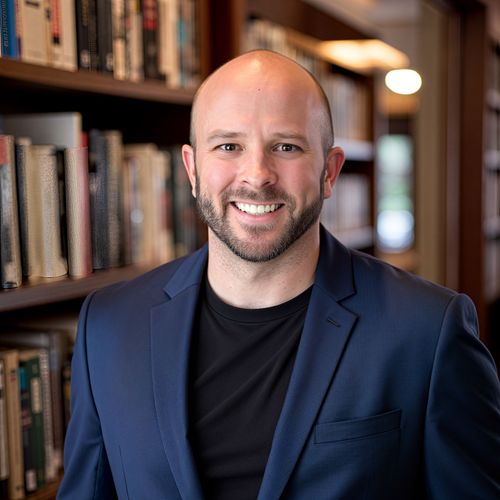
Board-certified emergency physician and toxicologist focused on underserved and rural healthcare, and passionate about building tools that give clinicians their time back. Meet the LucasAI team →
This page is published by LucasAI for informational purposes. LucasAI supports clinical documentation, coding, and workflow but does not replace clinical judgment; all AI-generated notes and code suggestions should be reviewed by the clinician or billing team before use or submission. Product features and pricing change over time, verify current details at lucashealth.ai. LucasAI is a product of Lucas Health Corporation, Miami, FL.