
Orthopedic documentation is uniquely demanding. A single clinic day can swing from a complex shoulder exam to a knee injection to fracture follow-up to surgical planning, and each encounter carries specific documentation and coding requirements. LucasAI is an ambient AI clinical platform, built by physicians, that listens to the visit, writes the note in real time, and surfaces the correct codes as you work, so orthopedic detail is captured the moment it happens.
This page explains why orthopedics is one of the hardest specialties to document and code well, and how LucasAI's ambient scribe and real-time coding are designed to help across the clinic-and-surgery mix that defines ortho practice.
Why orthopedics is hard to document and code
Few specialties pack as much documentation complexity into a visit as orthopedics. The combination of detailed physical exams, procedural work, and highly specific diagnosis coding creates a documentation burden that is easy to under-capture under time pressure.
Procedure and injection documentation
Joint and soft-tissue injections, aspirations, casting and splinting, fracture care, and bedside or in-office procedures all require precise notes: the joint or compartment treated, laterality, the approach, the medication and dose administered, whether image guidance was used, and aftercare instructions. Missing any of these details can mean the procedure is under-documented, and under-coded.
CPT procedure-code specificity
Orthopedic CPT coding is granular. Injections, fracture care (with or without manipulation), application of casts and strapping, and surgical procedures each map to distinct codes, and the correct selection often depends on small details: the specific joint, whether ultrasound guidance was used, the side treated, and the global period implications. Capturing those details at the point of care is what allows accurate, defensible code selection.
The clinic-and-surgery mix
Orthopedists routinely move between a high-volume outpatient clinic, in-office procedures, and the operating room, sometimes in the same day. That mix means documentation has to flex between quick follow-up visits, complex new-patient evaluations, procedure notes, and surgical workflows without losing fidelity in any setting.
Musculoskeletal exam detail
The orthopedic exam is rich: range of motion, strength grading, joint stability and special tests, gait, neurovascular status, and side-to-side comparison. This detail is essential both for clinical care and for supporting the medical decision-making that drives evaluation-and-management (E&M) levels. Dictating it fully while also examining the patient is genuinely difficult.
Fracture and injury ICD-10 specificity
Orthopedic ICD-10 coding demands a high level of specificity. Fracture codes can require the bone and exact site, laterality, displacement, fracture type, and the seventh-character encounter detail: initial encounter, subsequent encounter with routine healing, or sequela. Unspecified codes are common when the underlying note does not contain those elements, which can affect reimbursement and quality reporting.
How LucasAI helps orthopedic practices
LucasAI starts with a real-time ambient scribe and layers medical coding, integration, and automation on top, a combination well suited to the documentation and revenue realities of orthopedics.
1. Ambient scribe that captures procedure detail
LucasAI listens to the encounter and generates a structured note in real time, ready as you leave the room rather than after a processing step. For procedures and injections, that means the joint, laterality, medication and dose, image guidance, and aftercare are captured as you describe them, so the procedural detail needed for coding and compliance is preserved instead of reconstructed from memory at the end of a long day.
2. Real-time coding for CPT, ICD-10 and E&M
LucasAI's CodingAI suggests CPT, CPT II, ICD-10 codes and E&M service levels in real time, with one-click optimization and a Magic Addendum to keep documentation complete. For orthopedics, that means surfacing the right procedure CPT codes and supporting the laterality, encounter type, and anatomical specificity that orthopedic ICD-10 coding requires, helping reduce unspecified or under-coded diagnoses.
3. Detailed musculoskeletal exam documentation
The scribe structures range-of-motion, strength, stability and special-test findings, neurovascular status, and side-by-side comparisons into the note as you examine and dictate. Complete MSK exam documentation supports both clinical care and the medical decision-making that underpins accurate E&M and procedure coding.
4. One platform for clinic and surgical settings
Because LucasAI supports both outpatient and inpatient documentation, a practice that runs clinic visits, in-office procedures, and hospital or surgical workflows can document across all of them in a single platform: including inpatient tooling such as Rapid Rounds, Swift Summaries, and Lightning Handoffs for the hospital side of an orthopedic service.
5. Outpatient workflow and EMR integration
LucasAI uses a proprietary Chrome extension with structured data mapping into web-based EMRs, set up in days rather than through a months-long API project. Notes, codes, and supporting data land in the appropriate fields. Automation extends further with EmilyAI, which can call patients before and after visits to close care gaps and update the chart, and Prior AuthAI, which compiles the documentation needed for prior authorizations: useful for the imaging, durable medical equipment, and surgical approvals common in orthopedics.
What you get with LucasAI
- Real-time ambient scribe, a structured note ready as you finish the visit, tuned to capture orthopedic procedure and exam detail.
- CodingAI: real-time CPT, CPT II, ICD-10 and E&M suggestions with one-click optimization and a Magic Addendum for complete, compliant documentation.
- Procedure and injection capture: joint, laterality, medication, guidance, and aftercare documented as they happen.
- MSK exam structuring: range of motion, strength, stability, special tests, and neurovascular findings organized into the note.
- Clinic + inpatient coverage: one platform across outpatient clinic, in-office procedures, and hospital workflows.
- EmilyAI patient outreach, automated pre- and post-visit calls that close care gaps and update the chart.
- Prior AuthAI, compiles supporting documentation for prior authorizations.
- EMR integration, structured data mapping into web-based EMRs via a Chrome extension, deployed in days.
- HIPAA and GDPR compliant, with an organizational Business Associate Agreement (BAA) available.
LucasAI is built and used by clinicians, headquartered in Miami, Florida, and led on the clinical side by Chief Medical Officer Dr. David Watts, DO. Pricing starts at $69.99/month (Premium), with Pro at $299/month and Enterprise at $499/month, plus a free trial so you can test it on your own orthopedic visits.
What clinicians are saying
“The coding help was the difference for me. I was leaving charges on the table with my last scribe. LucasAI surfaces the right codes and my documentation finally supports them.”
See LucasAI on your own orthopedic visits
Experience the ambient scribe, real-time coding, and procedure capture built for ortho.
Start Free Trial →Want to see how LucasAI fits the rest of your practice? Explore all features, browse other specialties, dive into medical coding, or review pricing.
Frequently asked questions
Can LucasAI document orthopedic procedures and injections?
Yes. The ambient scribe captures procedure and injection documentation as it happens, the joint or compartment treated, laterality, approach, medication and dose, image guidance, and aftercare, and structures it into the note, so procedural detail is preserved rather than reconstructed later.
Does LucasAI suggest CPT and ICD-10 codes for orthopedics?
Yes. CodingAI suggests CPT, CPT II, ICD-10 codes and E&M service levels in real time. For ortho that means surfacing procedure-specific CPT codes for injections, fracture care, casting and splinting, and supporting the laterality, encounter type, and anatomical specificity that orthopedic ICD-10 coding requires, with one-click optimization and a Magic Addendum.
How does LucasAI help with fracture and injury ICD-10 specificity?
Orthopedic ICD-10 codes often require the bone and site, laterality, displacement, fracture type, and the seventh-character encounter detail (initial, subsequent, or sequela). By capturing the exam and history in real time, LucasAI helps ensure those elements appear in the note so the most specific defensible code can be selected.
Does LucasAI capture the musculoskeletal exam in detail?
Yes. The scribe captures range-of-motion, strength, stability and special-test findings, neurovascular status, and side-by-side comparisons as you examine and dictate, structuring them into the note to support both care and the medical decision-making behind E&M and procedure coding.
Does LucasAI work for both clinic visits and surgical practices?
Yes. LucasAI supports both outpatient and inpatient documentation, so a practice spanning clinic encounters, in-office procedures, and hospital workflows can document in one platform.
Does LucasAI integrate with my orthopedic EMR?
LucasAI uses a proprietary Chrome extension with structured data mapping into web-based EMRs, set up in days, no months-long API build. Notes, codes, and supporting data are mapped into the appropriate fields rather than pasted as a single block.
How much does LucasAI cost?
LucasAI starts at $69.99/month (Premium), with Pro at $299/month and Enterprise at $499/month, plus a free trial so you can test it on real orthopedic visits before committing.
Related specialties
Explore how LucasAI supports adjacent fields:
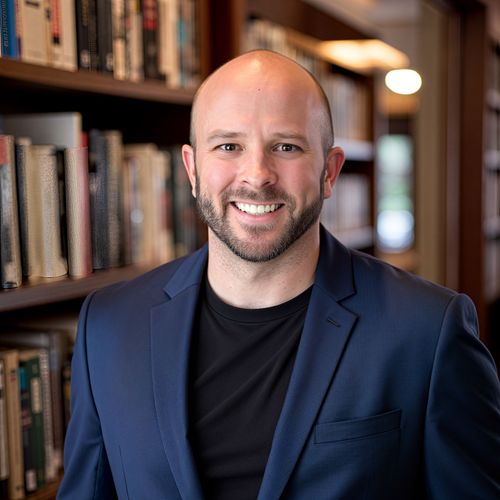
Board-certified emergency physician and toxicologist focused on underserved and rural healthcare, and passionate about building tools that give clinicians their time back. Meet the LucasAI team →
This page describes LucasAI's capabilities for orthopedic practices and is published by LucasAI. Coding, compliance, and reimbursement requirements vary by payer and change over time; clinicians remain responsible for reviewing and finalizing all documentation and code selection. Product features and pricing may change, please verify current details directly with LucasAI.