
Physical medicine and rehabilitation lives at the intersection of complex function and complex documentation. A single day can span inpatient rehab facility (IRF) rounding on patients recovering from stroke, spinal cord injury, or joint replacement, plus an outpatient clinic full of spasticity injections, EMG and electrodiagnostic studies, and chronic musculoskeletal pain: each demanding precise capture of mobility levels, functional goals, and therapy intensity. LucasAI is an ambient AI clinical platform, built by clinicians, designed to take that burden off PM&R so you can stay present with the patient and finish your day on time.
Unlike a tool that only writes notes, LucasAI pairs a real-time ambient scribe with built-in medical coding, patient outreach, and prior-authorization support, the workflows physiatry actually runs on. Here is how it fits the realities of rehabilitation medicine.
Why rehabilitation medicine needs more than a scribe
Physiatrists carry documentation that is unusually dense and unusually structured. The note is only part of the work: functional status and mobility levels have to be tracked over time, therapy intensity across PT, OT, and speech has to be reflected, discharge planning has to be assembled, and every encounter still has to be coded correctly and supported for the level billed. In the IRF setting in particular, documentation has to justify the intensity of rehabilitation and the medical necessity of the admission, and much of that work lands as after-hours charting that contributes to burnout.
Two pressures make this especially acute in PM&R:
- Functional detail that drives the chart and the claim. Mobility levels, functional goals, FIM-style functional status, and progress toward those goals are the heart of a rehab note, and they are tedious to capture accurately at the pace of rounds and clinic, yet essential for both care continuity and defensible coding.
- Procedures and complexity that are easy to under-document. Spasticity injections, EMG and electrodiagnostic studies, and high-complexity inpatient rehab management are commonly under-documented and under-coded, which both lowers legitimate reimbursement and invites denials when documentation does not support the claim.
LucasAI is built to address the whole loop: documentation, coding, outreach, and authorization, rather than just the note.
How LucasAI helps rehabilitation medicine
Ambient scribe that drafts the note in real time
LucasAI listens to the encounter and builds a structured clinical note as you talk, so the draft is largely ready for your review by the time you leave the room rather than after a separate processing step. Whether you are rounding on an IRF unit or seeing patients in clinic, you review and finalize instead of writing from scratch. Because it is built for the way care actually sounds, it also handles multilingual and blended, code-switched speech, useful in the many rehab settings that serve bilingual communities.
Real-time E&M leveling and CPT/ICD-10 coding
As the visit is documented, LucasAI's coding suggests CPT, CPT II, and ICD-10 codes along with E&M service levels, and flags where documentation does not yet support the level of service. For PM&R, this is where the true complexity of an inpatient rehab patient or a procedure-heavy clinic day often hides, and where mismatched documentation drives denials. Surfacing the right codes and the gaps in real time helps you bill the work you actually did and reduce avoidable rework. All suggestions are reviewed by you or your billing team before submission.
Functional status, mobility levels, and therapy intensity captured in the note
Rehabilitation notes are only useful if they track function over time. LucasAI is designed to organize an encounter so that functional goals, mobility levels, FIM-style functional status, and therapy intensity across PT, OT, and speech are captured in a structured way, rather than collapsed into a single narrative. That keeps the chart usable for the next round, supports discharge planning, and keeps the coding defensible.
EmilyAI patient outreach for follow-ups and recalls
EmilyAI is LucasAI's automated patient outreach. It can reach patients before and after visits to support therapy adherence, run post-discharge check-ins, close care gaps, and coordinate the follow-ups and recalls that keep a rehab plan on track, then update the chart. That offloads work that normally falls on already-stretched front-desk and clinical staff.
Inpatient rehab and outpatient workflows with EMR integration
LucasAI supports both the inpatient rehab facility workflows of a physiatrist who rounds and the outpatient clinic workflows of one who runs procedures and follow-ups. It connects to web-based EMRs through a proprietary Chrome extension with structured data mapping, designed to deploy in days, with no months-long API or IT project. Prior-authorization support compiles the documentation payers ask for, from billing codes to supporting clinical detail, which matters for the injections, imaging, and durable medical equipment that rehab care depends on.
What you get
- Real-time ambient scribe, a structured note drafted as you talk, ready for review when you finish rounding or the visit.
- Built-in medical coding: CPT, CPT II, ICD-10, and E&M leveling suggested in real time, with documentation-gap flags.
- Functional status capture: mobility levels, functional goals, FIM-style status, and PT/OT/speech therapy intensity organized in the note.
- EmilyAI patient outreach: automated pre/post-visit and post-discharge contact for therapy adherence, follow-ups, and recalls.
- Prior-authorization support: supporting documentation compiled automatically for injections, imaging, and equipment.
- EMR integration, works with web-based EMRs via a Chrome extension, deployable in days.
- Inpatient rehab and outpatient coverage: for physiatrists who round on an IRF unit, run a clinic, or work across both.
Want the full capability list? See all LucasAI features, dig into real-time medical coding, or compare plans on the pricing page. You can also browse the other specialties LucasAI supports.
What clinicians are saying
“IRF rounding used to mean an hour of after-hours charting just to keep functional status and therapy notes straight across my whole unit. LucasAI drafts those notes as I round and captures the mobility detail accurately, so I finish documentation before I leave the floor.”
See LucasAI on your own rehabilitation visits
Experience the ambient scribe, real-time coding, and patient outreach built for physical medicine and rehabilitation.
Start Free Trial →Frequently asked questions
How does an ambient AI scribe help rehabilitation medicine and PM&R?
An ambient AI scribe listens to the encounter and drafts a structured clinical note in real time, so it is largely ready for review by the time you leave the room or finish rounds. For physiatry, that means less after-hours charting on dense rehab notes and more attention on the patient. LucasAI builds the note as you talk and is designed for both inpatient rehab rounding and outpatient clinic encounters.
Can LucasAI handle IRF rounding and functional status documentation?
Yes. Inpatient rehab facility documentation has to track functional status, mobility levels, and therapy intensity across PT, OT, and speech, and justify the medical necessity of the rehab stay. LucasAI is designed to organize an encounter so that functional goals, FIM-style status, and progress are captured in a structured way rather than buried in a single narrative, which supports both continuity of care and defensible coding. All notes should be reviewed by the clinician before they are finalized.
Can LucasAI suggest CPT, ICD-10, and E&M codes for rehabilitation visits?
Yes. LucasAI's real-time coding suggests CPT, CPT II, and ICD-10 codes along with E&M service levels as the visit is documented. For PM&R this can help capture the complexity of inpatient rehab management and procedure-heavy clinic days, such as spasticity injections and electrodiagnostics, that are commonly under-coded, and it surfaces documentation gaps so the note supports the level billed. All code suggestions should be reviewed by the clinician or billing team before submission.
How can AI coding help reduce denials in rehabilitation medicine?
Many denials stem from documentation that does not support the code submitted or from missing supporting detail, which is common with rehab procedures and inpatient medical necessity. By suggesting codes in real time and flagging where documentation is incomplete, LucasAI helps clinicians align the note with the services rendered before the claim goes out, which can reduce avoidable denials and rework. Coding accuracy still depends on clinician review and your practice's billing processes.
What is EmilyAI and how does it help with therapy adherence and post-discharge care?
EmilyAI is LucasAI's automated patient outreach. It can contact patients before and after visits to support therapy adherence, run post-discharge check-ins, close care gaps, and coordinate follow-ups and recalls, then update the chart. In rehabilitation medicine, this helps with the ongoing engagement that keeps a recovery plan on track and that often falls on staff.
Does LucasAI work for inpatient rehab and outpatient clinics, and with my EMR?
LucasAI supports both inpatient rehab facility workflows and outpatient clinic workflows, so it fits physiatrists who round, run a clinic, or work across both settings. It integrates with web-based EMRs through a proprietary Chrome extension with structured data mapping, designed to deploy in days without a long API or IT project. Prior-authorization support is also included to help compile documentation for injections, imaging, and equipment.
How much does LucasAI cost for a rehabilitation medicine practice?
LucasAI offers Premium at $99/month, Pro at $299/month, and Enterprise at $499/month, plus a free trial. The right plan depends on whether you need the scribe alone or also want coding, patient outreach, prior-authorization support, and team workflows across your inpatient and outpatient settings. See the pricing page for current details.
Related specialties
Explore how LucasAI supports adjacent fields:
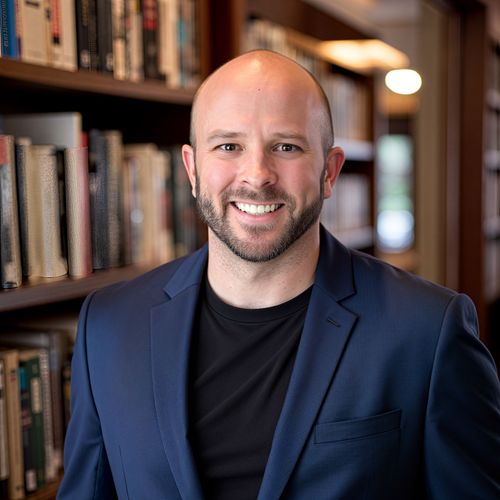
Board-certified emergency physician and toxicologist focused on underserved and rural healthcare, and passionate about building tools that give clinicians their time back. Meet the LucasAI team →
This page is published by LucasAI for informational purposes. LucasAI supports clinical documentation, coding, and workflow but does not replace clinical judgment; all AI-generated notes and code suggestions should be reviewed by the clinician or billing team before use or submission. Product features and pricing change over time, verify current details at lucashealth.ai. LucasAI is a product of Lucas Health Corporation, Miami, FL.