
Oncology sits at the most complex end of clinical documentation. A single encounter can fold together a new cancer diagnosis, staging and molecular markers, a multi-agent chemotherapy plan, infusion orders, toxicity management, and a frank goals-of-care conversation, every piece of it consequential and every piece of it needing to be in the chart. LucasAI is an ambient AI clinical platform, built by clinicians, designed to carry that documentation burden so you can stay present with the patient and give the visit the attention it deserves.
Unlike a tool that only writes notes, LucasAI pairs a real-time ambient scribe with built-in medical coding, patient outreach, and prior-authorization support, the workflows an oncology practice actually runs on. Prior authorization is especially relevant here: oncology drugs and imaging are among the most heavily pre-authorized services in medicine, and the documentation burden falls squarely on the clinical team. Here is how LucasAI fits the realities of medical and hematology oncology.
Why oncology needs more than a scribe
Oncologists carry an unusually heavy documentation tail. The note is only part of it: the visit has to be coded correctly across high-complexity decision-making and infusion services, prior authorizations for drugs and imaging have to be assembled and defended, treatment response has to be tracked across cycles, and survivorship and surveillance follow-ups have to be arranged. Much of this lands as after-hours charting and administrative work, a well-recognized driver of burnout in a specialty that can least afford it.
Two pressures make this especially acute in oncology:
- Exceptionally high medical-decision-making complexity. An oncology visit routinely involves new diagnoses, staging, biomarker and molecular-marker interpretation, multi-drug regimens, and significant management of risk. Capturing that complexity accurately: and reflecting it in the assessment, plan, and codes, is difficult at the pace clinic demands, and it is frequently under-documented.
- Prior authorization and denials. Oncology drugs, infusions, and advanced imaging are among the most heavily pre-authorized and most-denied services in medicine. When documentation does not clearly support medical necessity, treatment is delayed and claims are denied, a costly problem for both the patient and the practice.
LucasAI is built to address the whole loop: documentation, coding, outreach, and authorization, rather than just the note.
How LucasAI helps oncology
Ambient scribe that drafts complex oncology notes in real time
LucasAI listens to the encounter and builds a structured clinical note as you talk, so the draft is largely ready for your review by the time you leave the room rather than after a separate processing step. It is designed for the genuinely complex oncology encounter: capturing the staging discussion, the regimen and its rationale, toxicity review, and the goals-of-care conversation, so you review and finalize instead of reconstructing the visit from memory. Because it is built for the way clinic actually sounds, it also handles multilingual and blended, code-switched speech.
Real-time E&M leveling and CPT/ICD-10 coding
As the visit is documented, LucasAI's coding suggests CPT, CPT II, and ICD-10 codes, including oncology-specific C-codes, along with E&M service levels, and flags where documentation does not yet support the level of service. Oncology coding is unusually intricate: high-complexity decision-making, chemotherapy and infusion administration, hydration, and drug-administration time all carry their own rules. Surfacing the right codes and the documentation gaps in real time helps you bill the work you actually did and reduce avoidable denials. Given the stakes, all suggestions are reviewed by you or your billing team before submission.
Staging, biomarkers, and treatment-response documentation
Oncology notes have to carry forward a precise clinical narrative: stage and how it was derived, relevant biomarkers and molecular markers, the chosen regimen, and how disease is responding over time. LucasAI is designed to organize the encounter so these elements are captured clearly and consistently, from a new diagnosis and its staging through imaging-based response assessment and into survivorship and surveillance visits, keeping the chart usable for the next cycle and the next clinician. The clinician remains responsible for every staging, biomarker, and response determination.
EmilyAI patient outreach for follow-ups and symptom check-ins
EmilyAI is LucasAI's automated patient outreach. It can reach patients between cycles for symptom and toxicity check-ins, coordinate pre- and post-treatment instructions, close care gaps, and manage the surveillance recalls and follow-ups that define longitudinal cancer care, then update the chart. That offloads work that normally falls on already-stretched nursing and front-desk staff, while keeping clinicians in the loop on patients who need attention.
Prior-authorization support for oncology
Prior authorization is one of the largest administrative burdens in oncology, and one of the biggest sources of treatment delay. LucasAI's prior-authorization support compiles the documentation payers ask for, from diagnosis and staging codes to the supporting clinical detail that establishes medical necessity for drugs, infusions, and advanced imaging. It connects to web-based EMRs through a proprietary Chrome extension with structured data mapping, designed to deploy in days with no months-long API or IT project, and it supports the inpatient unit, infusion suite, and outpatient clinic where oncology care actually happens.
What you get
- Real-time ambient scribe, a structured note drafted as you talk, ready for review when you finish the visit.
- Built-in medical coding: CPT, CPT II, ICD-10 (including C-codes), and E&M leveling suggested in real time, with documentation-gap flags.
- Staging and treatment-response capture: stage, biomarkers, regimen, and imaging-based response organized clearly across cycles.
- EmilyAI patient outreach: automated between-cycle symptom check-ins, follow-ups, surveillance recalls, and chart updates.
- Prior-authorization support: documentation for oncology drugs, infusions, and imaging compiled automatically.
- EMR integration, works with web-based EMRs via a Chrome extension, deployable in days.
- Inpatient, infusion, and outpatient coverage: across the hospital unit, infusion suite, and clinic where oncology care happens.
Want the full capability list? See all LucasAI features, dig into real-time medical coding, or compare plans on the pricing page. You can also browse the other specialties LucasAI supports.
What clinicians are saying
“Oncology notes used to eat my evenings: staging, the regimen rationale, toxicity, all of it. LucasAI drafts the complex parts as I talk and flags the coding gaps in real time, so I leave clinic with the chart actually done and more energy for my patients.”
See LucasAI on your own oncology visits
Experience the ambient scribe, real-time coding, prior-auth support, and patient outreach built for oncology.
Start Free Trial →Frequently asked questions
How does an ambient AI scribe help with complex oncology visits?
An ambient AI scribe listens to the encounter and drafts a structured clinical note in real time, so it is largely ready for review by the time you leave the room. Oncology visits are dense, spanning diagnosis, staging, regimen rationale, toxicity, and goals-of-care, and LucasAI is built to capture that complexity as you talk rather than after a separate processing step. That means less after-hours charting and more attention on the patient during the visit. You review and finalize the note rather than reconstructing it from memory.
Can LucasAI document staging, biomarkers, and treatment response?
Yes. LucasAI is designed to organize the oncology encounter so that stage and how it was derived, relevant biomarkers and molecular markers, the chosen regimen, and imaging-based response are captured clearly and carried forward across cycles and into survivorship visits. This keeps the clinical narrative consistent and the chart usable for the next visit. All staging, biomarker, and response determinations remain the responsibility of the clinician, who reviews and finalizes the note.
Can LucasAI suggest CPT, ICD-10, E&M, and infusion codes for oncology?
Yes. LucasAI's coding suggests CPT, CPT II, and ICD-10 codes, including oncology C-codes, along with E&M service levels as the visit is documented, and flags where documentation does not support the level billed. It is built for the intricacy of oncology coding, where high-complexity decision-making and chemotherapy, infusion, hydration, and drug-administration services each carry their own rules. Given the stakes, all code suggestions should be reviewed by the clinician or billing team before submission.
Does LucasAI help with prior authorizations for oncology drugs and imaging?
Yes. Prior authorization is one of the heaviest administrative burdens in oncology and a major source of treatment delay. LucasAI's prior-authorization support compiles the documentation payers ask for, from diagnosis and staging codes to the supporting clinical detail that establishes medical necessity for drugs, infusions, and advanced imaging. Final submissions and clinical decisions remain with your team.
What is EmilyAI and how does it help with symptom check-ins and recalls?
EmilyAI is LucasAI's automated patient outreach. It can reach patients between cycles for symptom and toxicity check-ins, coordinate pre- and post-treatment instructions, and manage the surveillance recalls and follow-ups that define longitudinal cancer care, then update the chart. In oncology, this offloads outreach that often falls on nursing and front-desk staff while keeping clinicians informed about patients who need attention.
Does LucasAI work across the infusion suite, clinic, and inpatient unit, and with my EMR?
Yes. LucasAI supports the outpatient clinic, infusion suite, and inpatient unit where oncology care takes place. It integrates with web-based EMRs through a proprietary Chrome extension with structured data mapping, designed to deploy in days without a long API or IT project. That lets a practice get started quickly across the settings oncologists actually work in.
How much does LucasAI cost for an oncology practice?
LucasAI offers Premium at $99/month, Pro at $299/month, and Enterprise at $499/month, plus a free trial. The right plan depends on whether you need the scribe alone or also want coding, patient outreach, prior-authorization support, and team workflows for your practice. See the pricing page for details.
Related specialties
Explore how LucasAI supports adjacent fields:
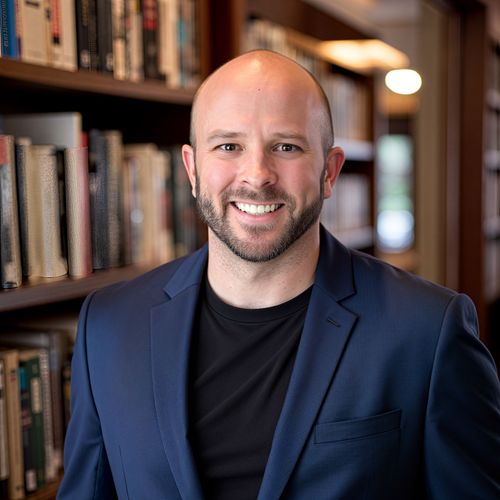
Board-certified emergency physician and toxicologist focused on underserved and rural healthcare, and passionate about building tools that give clinicians their time back. Meet the LucasAI team →
This page is published by LucasAI for informational purposes. LucasAI supports clinical documentation, coding, and workflow but does not replace clinical judgment; all AI-generated notes and code suggestions should be reviewed by the clinician or billing team before use or submission. Product features and pricing change over time, verify current details at lucashealth.ai. LucasAI is a product of Lucas Health Corporation, Miami, FL.